

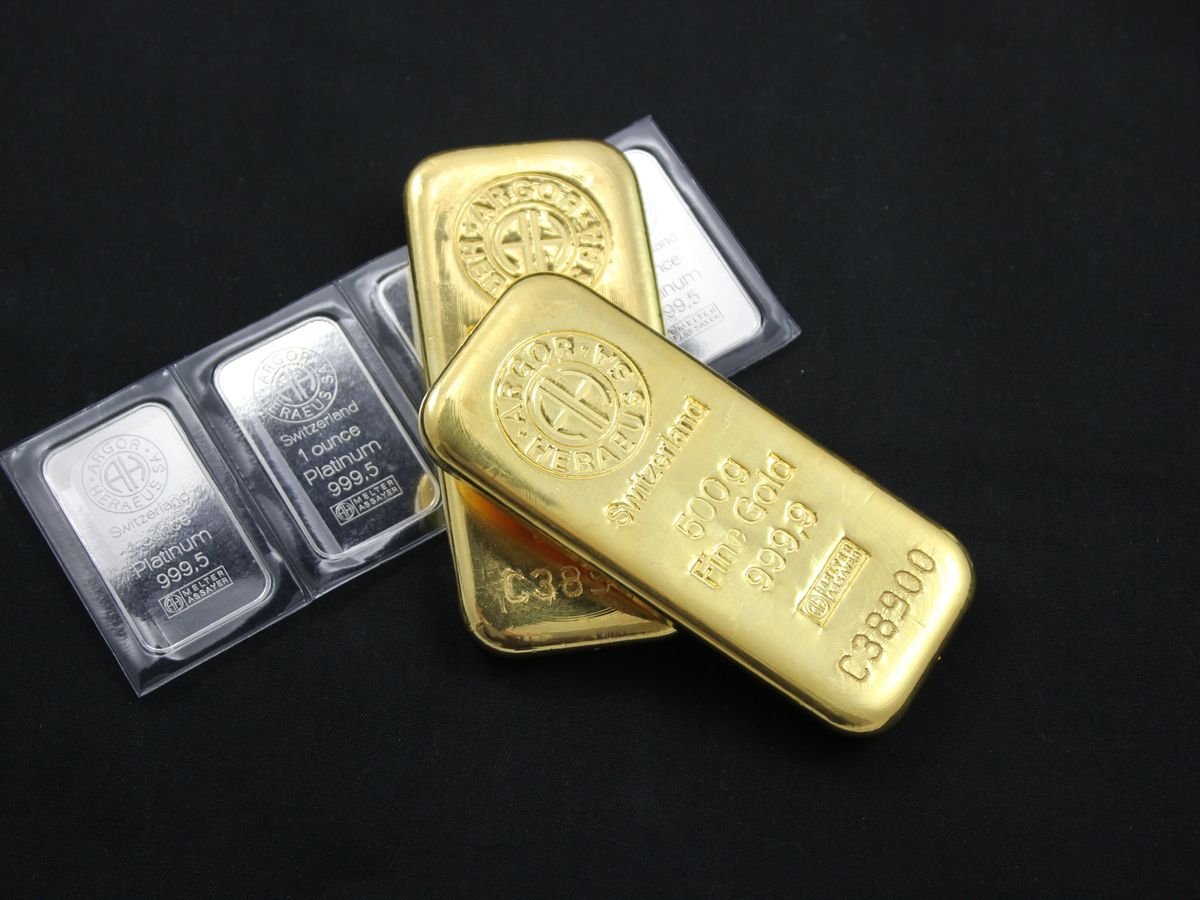
Circular economy principles made their big and famous debut as industries and consumers clamour for more sustainable ways to use resources. In contrast to the linear model of a “take, make and dispose” economy, a circular economy seeks to keep valuable materials in play for as long as possible. And this is where precious metals come in, such as gold, silver, platinum, and palladium, which are regularly being recycled without deteriorating their quality during the recycling process. As part of this chain, precious metal buyers are an essential bridge between consumers and the recycling industry.
The role of precious metal buyers has been increasingly important in recent years, as awareness around sustainability is only growing. They recover materials that might sit in drawers wasting away or wind up in the landfill. By making it possible to recycle precious metals, they help the environment and the economic efficiency of raw materials.
Comprehending The Circular Economy
Circular economies work to limit waste through extending the life cycle of products and materials. Rather than continually pulling new resources from the ground, businesses and consumers are urged to reuse, repair, recycle and repurpose what is already on this earth.
This model is very appropriate for the space of precious metals because they can be recycled without losing their core natural characteristics. Gold retrieved from ancient jewellery, coins, electronic circuitry or industrial tools can always be melted down, refined and made into new products. In doing so, it lowers pressure on newly mined resources while retaining valuable materials already circulating in the ecosystem.
Minimising Mining Carbon Emission
It is energy, water and land-intensive. Mining is still needed to supply global demand, but more recycling of precious metals can ease pressure on the extraction of natural resources.
Less raw material needs to be harvested from newly mined deposits when silver, gold and other precious metals are reclaimed through recycling. This can help with reduced environmental impacts from extraction activity.
Work done by organisations like Gold Buyers Newcastle also supports this goal, in that it promotes the recycling of precious metals already found in existing materials for use again. Each recycled ounce of gold supports a more sustainable supply chain and is a step toward extracting full value from resources already in the economy.
Supporting Economic Efficiency
It is not only a matter of environmental responsibility that makes the circular economy. Creating economic value from the existing resources is also a part of it.
Buyers of precious metals release unused assets back into circulation. This monetisation can transform what may no longer be important for you into cash in hand. Refiners and manufacturers also have access to these advanced recycling materials, which can then be inserted into new products.
The way this movement of resources works enables a win-win scenario for more than one of the parties involved while also eliminating unnecessary wastage. It shows that sustainability and economic opportunity need not, cannot even, compete with each other.
Encouraging Consumer Participation
The success of a circular economy relies on consumer involvement. What a lot of people do not realise is that pieces of old jewellery, damaged gold items, or antiquated precious metal supplies can often have substantial worth.
They educate you about the reasonable amount of money for your precious metal items and how to earn an income from recycling them. By way of transparent evaluations and equitable purchasing methods, they drive higher public participation in the exterior plastic recycling initiatives.
The efficiencies afforded by circular economic systems will expand as more consumers opt for recycling valuable materials rather than simply tossing them.
The Future Of Precious Metal Recycling
The future prospects for the global precious metal recycling sector look promising, driven by growing environmental awareness, technological advancements and increasing demand for sustainable practices. With the global push to decrease waste and increase resource efficiency, recyclables like recycled metals will likely be an ever-more important pillar of both manufacturing and industrial production.
Those purchasing precious metals will continue to be a focal point in this changing landscape. They assist in keeping precious materials within our economy by linking consumers to networks that will recycle them instead of trashing them.
Conclusion
As the circular economy depends on keeping valuable resources in constant circulation, precious metals are some of the most recyclable materials. Precious metal buyers play a vital role in the central connection between consumers, refiners, and manufacturers by reclaiming idle and unused items that can be melted down and reused to become more productive. Providing work towards a more sustainable environment, optimum resource use, and economic efficiency. With sustainable practices on the rise, precious metal buyers will play an increasingly important role in achieving a more responsible and resource-efficient future.