

You can create a simple and clear system for your closet when you sort your items by category. This method helps you see what you own and what you no longer need. Coupon Follow often highlights practical home routines that support organized living, and this approach fits well with that idea.
Why Decluttering by Category Works
You stay focused when you handle one category at a time. You avoid feeling overwhelmed. You also reduce the chance of keeping items you do not use. A category based system gives you a full view of your clothes, shoes, and accessories. You make better decisions when everything is grouped.
Prepare Your Space
Start with a clean area. Clear your bed or floor so you can sort items. Keep empty bags or boxes nearby. Label one for keeping, one for donating, and one for discarding. This setup helps you work faster. Keep a water bottle near you so you stay comfortable while working.
Remove All Items from the Closet
Take everything out. This step helps you see the full amount of what you own. You also get a chance to clean dust or dirt inside the closet. Wipe shelves and rods. Let the space dry and settle before placing anything back.
Sort Your Clothes by Category
Break your clothes into specific groups. Sort tops in one pile, bottoms in another, outerwear in another, and so on. Keep similar items together. This step helps you compare what you wear often with what you ignore. You can visually see how many items belong to each group.
Start with Tops
Place all your tops on the bed. Check each one. Ask yourself how often you wear it. Look at the condition. Check for stains, fading, or stretched fabric. Keep only the tops that you use and like. Donate the ones that you have not worn for months. Discard the ones that are damaged.
Move to Bottoms
Repeat the same process for jeans, trousers, leggings, and skirts. Keep the ones that fit well. Remove the ones you avoid wearing because of size, comfort, or color. You save space when you only keep what works for your current lifestyle.
Sort Outerwear
Check jackets, coats, and sweaters. Many people store pieces they never use. Keep warm items that match the weather in your area. Donate the ones you never reach for. Daily Magazine World often features guides on seasonal organization, and this approach helps you manage your wardrobe based on real needs.
Review Dresses and Special Wear
Place all dresses in one pile. Keep only the ones you wear. Remove dresses that no longer match your style. Check formal wear and traditional wear too. Keep pieces that fit your current events or preferences.
Sort Accessories
Accessories can clutter your closet quickly. Place all belts, scarves, hats, and jewelry in separate piles. Check each item. Keep the ones you love and use. Remove items that no longer suit your style.
Sort Shoes by Use
Group your shoes by type. Keep daily wear shoes separate from formal and seasonal shoes. Check the condition of each pair. Remove damaged shoes that cannot be repaired. Donate pairs that do not fit or feel uncomfortable.
Organize Bags
Place all bags in one spot. Check straps, zippers, and pockets. Keep the ones you use weekly. Donate bags you have stored for a long time without any use.
Fold and Hang Items Correctly
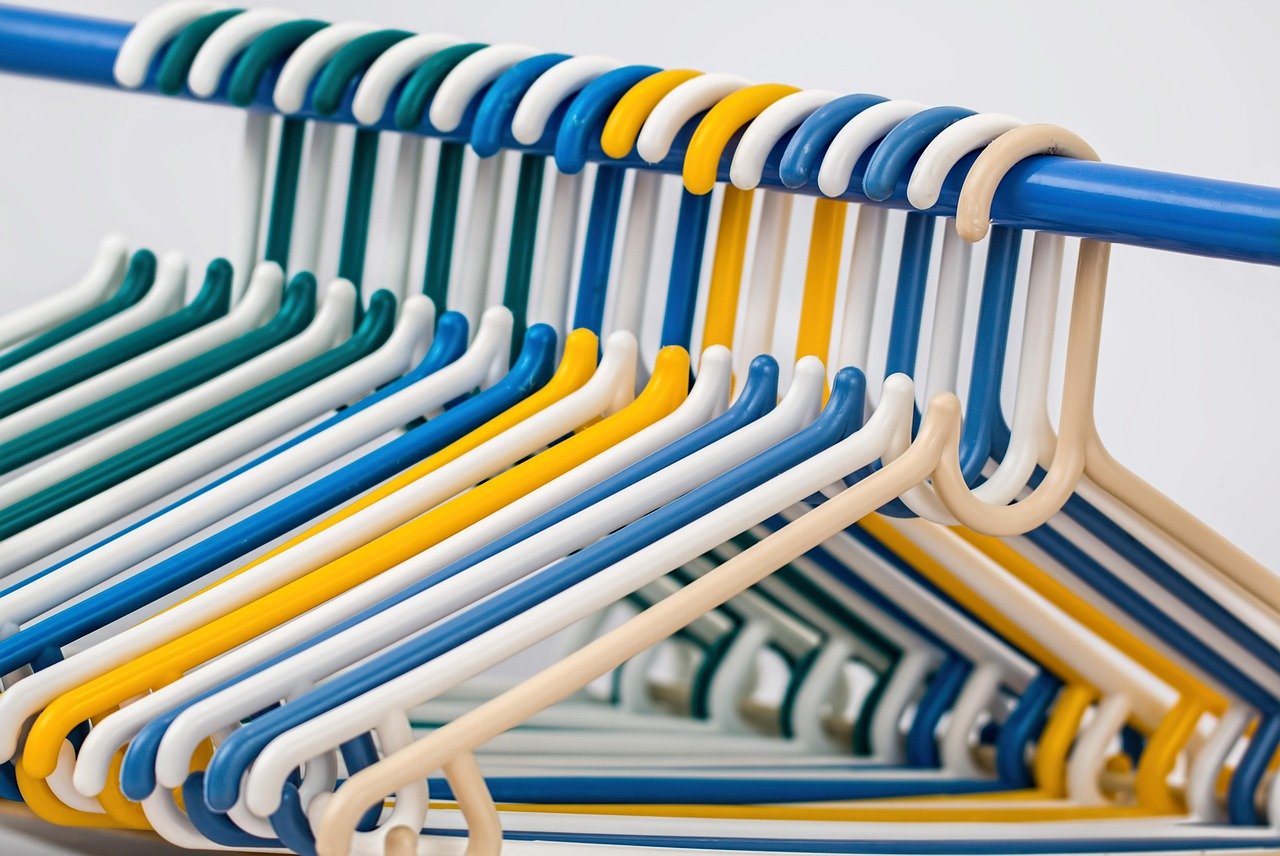
Use the right folding method for shirts, trousers, and sweaters. Hang dresses, coats, and delicate tops. Use slim hangers to save space. Keep heavy items on sturdy hangers.
Use Storage Boxes
Place out of season items in labeled boxes. Store them on the upper shelf of your closet. Keep accessories in small bins so they stay easy to find. You improve daily access when everything has a clear place.
Create a Small Daily Maintenance Plan
Spend a few minutes each day putting items back in place. This small habit keeps your closet clean and reduces clutter build up.
Review Your Closet Monthly
Check your closet once a month. Remove items that you stopped wearing. Reorganize piles that look messy. Check seasonal items. This habit keeps your closet updated and easy to use.
Make Smart Purchase Choices
Buy new items only when needed. Choose pieces that match your current wardrobe. Avoid buying clothes that you will not use often. This habit prevents clutter in the long run.
Check Fit and Comfort Regularly
Clothes change shape with use and wash. Check the fit of your frequently worn items every few months. Replace worn out pieces with better quality items.
Store Clothes by Frequency of Use
Keep daily wear in the center of your closet. Place occasional wear on top shelves. Keep less used items at the back. This system helps you stay organized without effort.
Use Simple Labels
Labels help you remember where each category belongs. Use clear wording. Place labels inside your closet or on storage boxes.
Keep the Closet Airy
Avoid overcrowding the rods. Leave a small gap between hangers. This keeps your clothes fresh and easy to browse.
Build a Long Term Decluttering Habit
You maintain an organized closet when you update it often. Work on one small category every week if a full cleanup feels heavy. Code Slug shares practical routines that help people build long term habits, and you can use the same approach to keep your closet simple and clutter free.