

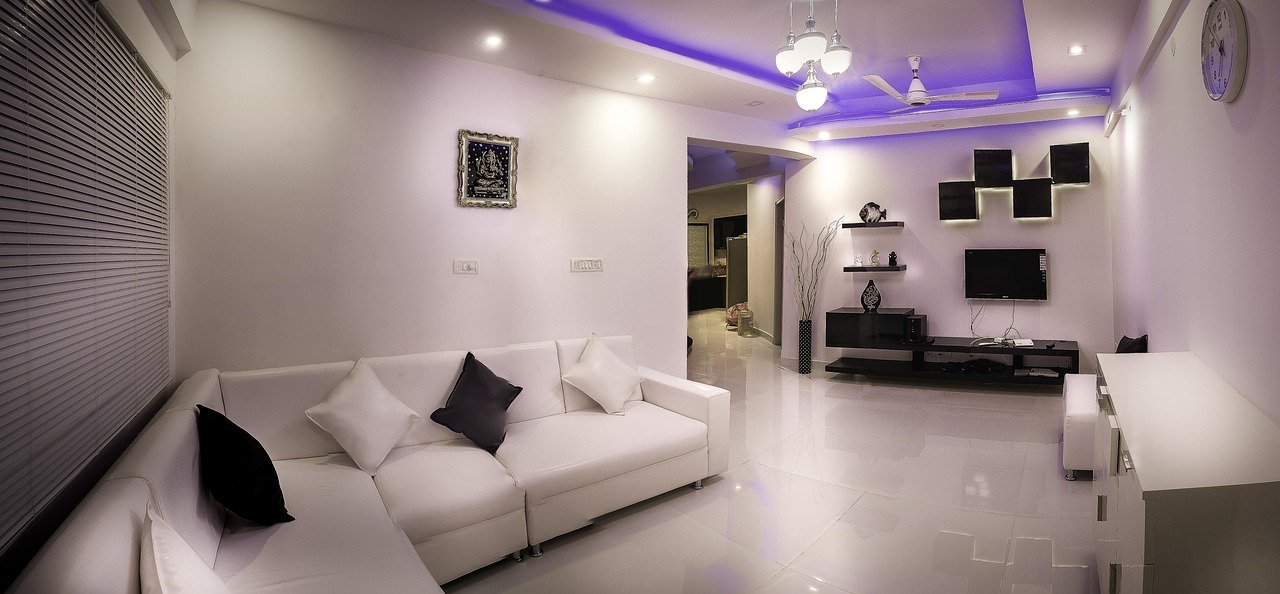
You can keep your home in good shape when you focus on one room at a time. This method gives you structure and removes pressure. Many people follow this plan to manage cleaning with less effort. A simple routine helps you stay consistent. Resources like Adobe Tube share helpful guides that support daily home care methods, which can help you refine your approach.
Why a One Room Per Day Plan Works
You stay focused when you clean one space at a time. You avoid long cleaning sessions. You reduce clutter in smaller steps. You build a steady habit that fits into your daily schedule. Each room gets proper attention because you do not rush through the process. This plan also helps you track progress clearly.
How to Start Your Daily Cleaning Plan
Pick a fixed time each day. Morning and early afternoon work well for most people. Keep your tools ready in one place. Create a list of rooms. Note the tasks for each room. Keep the list short because short lists reduce stress. Use a timer to keep yourself on track.
Set Up Your Weekly Room Schedule
A room schedule gives you direction. You avoid guessing what to clean next. A sample weekly plan is below.
Monday. Kitchen
Tuesday. Living room
Wednesday. Bedrooms
Thursday. Bathrooms
Friday. Entry areas or hallways
Saturday. Extra spaces
Sunday. Light tasks only
You can adjust the plan to match your home size and lifestyle.
Keep a Simple Cleaning Kit
A basic kit helps you clean faster. Keep microfiber cloths. Keep a surface spray. Keep glass cleaner. Keep a small brush. Keep a small vacuum or handheld tool. Store the kit in an easy place so you can grab it without delay.
How to Clean the Kitchen
Remove items from counters. Wipe surfaces with a simple cleaner. Clean the sink properly. Check the fridge for old items. Sweep the floor. Mop if needed. A clean kitchen sets the tone for the rest of the home.
How to Clean the Living Room
Pick up loose items. Put items back in the right place. Dust shelves and table tops. Wipe remotes and common touch points. Vacuum the floor. Open windows for a few minutes to improve airflow.
How to Clean Bedrooms
Make the bed first. Clean bedside tables. Fold clothes that sit out. Put dirty clothes in a hamper. Dust the surfaces. Vacuum carpets or sweep floors. A tidy bedroom supports a calm start and end to your day.
How to Clean Bathrooms
Spray the sink and scrub it. Clean the toilet seat and handle. Wipe mirrors. Rinse the shower area. Replace used towels. Clean the floor. Bathrooms need regular care because they collect moisture and residue fast.
How to Clean Entry Spaces and Hallways
Move shoes to a shoe rack. Wipe surfaces around the entry table. Shake out rugs. Sweep or vacuum floors. These areas collect dirt because of foot traffic. Experience Role highlights how consistent care in small spaces affects the entire home. You can keep these areas clean with short daily actions.
Add Extra Spaces to Your Routine
Extra spaces include laundry rooms, home offices, or storage areas. Clean them on weekends or during spare time. Keep the tasks light. Remove clutter first. Then wipe surfaces. Check items that no longer serve a purpose.
How to Stay Motivated
Track your completed rooms. You can use a small chart. Seeing progress helps you stay committed. You can also reduce your tasks when you feel tired. A flexible plan gives you control. Try to complete at least one important task per room.
How to Maintain the Routine Long Term
Keep your cleaning kit stocked. Update your weekly schedule when your needs change. Keep items organized to reduce cleaning time. Pay attention to areas that get dirty fast. Clean those areas more often. Adjust your plan when you add or remove furniture.
Daily Habits That Support Your Plan
Put items back after use. Wipe kitchen counters each evening. Fold blankets in the living room. Keep mail sorted. Empty small trash cans often. These habits reduce build-up. They also lower the workload in each room.
How to Handle Busy Days
Shorten the list for that day. Clean only the most important area. You can move the skipped room to another day. This makes the routine flexible. You still keep momentum even when life gets busy.
Improve Your Routine Over Time
Test different room orders. You can swap high-traffic rooms to early week days. Try different times of day. Change tools if something slows you down. You improve your plan as you learn what works best in your home.
How Families Can Join the Routine
Assign a small task to each member. Children can pick up toys or wipe surfaces. Adults can handle bigger tasks like vacuuming. A shared plan builds teamwork. A shared plan also reduces the time you spend on cleaning.
Review Your Week Every Sunday
Check what worked. Check what slowed you down. Adjust the room order if needed. Light cleaning on Sundays helps prepare the home for a fresh week. Keep this review short.
Why This Method Supports Consistency
You clean with focus. You clean with structure. You remove clutter before it grows. You avoid long cleaning sessions. Eyes Icon often shares practical organizational advice, and a consistent system like this helps you maintain a cleaner home with less stress.
Conclusion
A one room per day plan gives you control over your home care. You work in simple steps. You stay productive without long cleaning sessions. You build strong habits that support a clean and comfortable home.